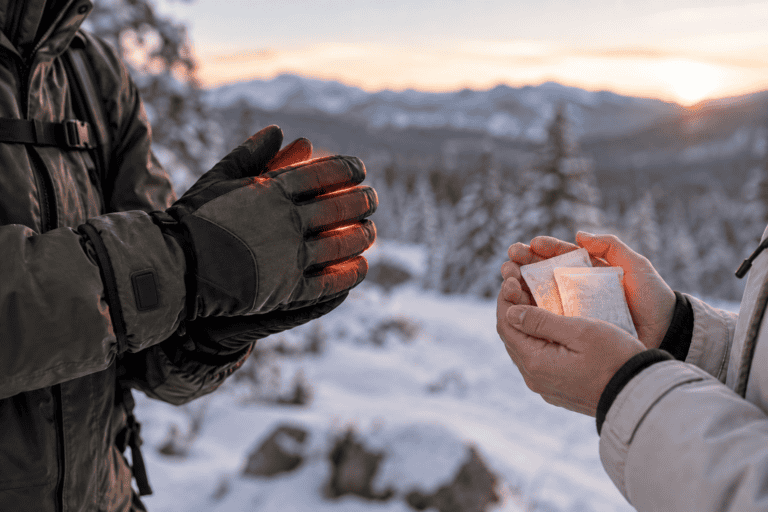
Warmth for Stiff Hands Starts with Where You Need It
Many people with arthritis find their hands feel stiffer and sorer when they are cold, and that a little steady warmth makes mornings and winter errands easier. Heat is one of the most common self-care tools for joint stiffness. Michigan Medicine's patient guidance, for example, suggests a heating pad on a sore area two or three times a day for 20 to 30 minutes, set to low or medium rather than high.
Heated gloves are a convenient way to get that warmth, but the right type depends on where you will wear them. At home, a plug-in heated mitt with an automatic shut-off is simpler and safer than a battery glove. Outside, a battery-heated glove with insulation keeps the cold off in the first place. For typing, cooking or anything fiddly, a thin liner or fingerless glove keeps your fingers free.
One note before the picks: we are a gear site, not a medical one. Heated gloves can make cold, stiff hands more comfortable, but they do not treat arthritis. If heat makes a joint feel worse, or if you have reduced feeling in your hands, talk to your doctor before using heated gear.
What to Buy
Five heated gloves and mitts made the list, chosen to cover home, outdoors and everyday tasks. We ranked them on heat coverage, ease of use for stiff fingers, safety features and value. Every spec comes from the product's own listing, checked in October 2026.

Savior Heat Heated Gloves
The glove to wear for winter walks, shoveling or a cold commute. Savior heats the fingers and the back of the hand, with three settings that run from 104°F to 149°F, so the low setting gives gentle warmth rather than a blast of heat. Two 7.4V 3000mAh batteries carry Savior's claim of up to 12 hours, a Hipora membrane keeps snow out and the touchscreen fingertips mean you do not have to pull a glove off with sore fingers to use your phone. It is also one of the most reviewed heated gloves on Amazon, with more than 3,000 ratings.

CAMECO Plug-In Heated Gloves
For warmth on the couch, at a desk or first thing in the morning, a plug-in mitt makes more sense than a battery glove. CAMECO's soft plush mitts wrap the palm, fingers and wrist, run from 86°F to 158°F and plug in on a 7.2-foot cord, so there are no batteries to charge. The feature that matters most is the timer: you set it between 10 and 90 minutes and the mitts switch off on their own, with overheat protection as a backstop. That makes it easy to follow the low-and-limited approach most heat guidance recommends.
Savior Heat Heated Glove Liners
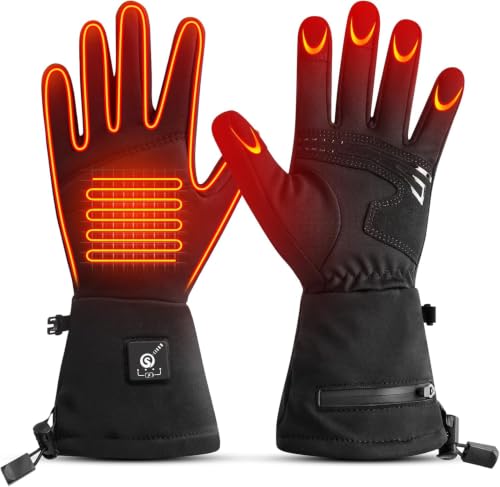
A thin, stretchy liner for people who need their fingers. The Lycra shell with a fleece lining bends easily, the heating covers the back of the hand and all the fingers, and touch-sensitive fingertips work on a phone. Savior lists three settings at 113°F, 122°F and 140°F and up to 6 hours from a 7.4V 2200mAh battery. On its own it is light; outdoors, Savior recommends wearing it under a thicker glove. Like several brands' liners, it costs about as much as a full heated glove.

uncn Fingerless Heated Gloves
The cheapest way to keep the backs of your hands warm while you type, knit or cook. These fingerless gloves weigh 180 grams, heat both sides of the hand and leave the fingertips bare. There are two settings, 113°F and 130°F, and the gloves switch off on their own after 60 minutes. The trade-offs are real: runtime is only up to 3 hours from 3.7V batteries, and your fingertips get no heat at all, so they suit indoor desk work more than winter weather.

Savior Heat Heated Mittens
When your fingers are the problem, a mitten keeps them together in one warm space and is easier to pull on than a glove with five separate fingers. Savior's mitten heats the palm, the back of the hand and the fingers to the tips, uses the same 3000mAh batteries and three settings as its glove and comes in sizes from XXS. The shell is water resistant rather than waterproof. Our best heated mittens guide covers more options.
How They Compare
The table lines up the details that matter most for sore hands: where the heat goes, how hot it gets, how long it lasts and whether it switches itself off.
| Model | Power | Heat range | Claimed runtime | Auto shut-off |
|---|---|---|---|---|
| Savior Heat Heated Gloves | 7.4V, 3000mAh | 104°F to 149°F | Up to 12 hrs | No |
| CAMECO Plug-In Heated Gloves | Wall plug | 86°F to 158°F | Unlimited on mains | Yes, 10 to 90 min timer |
| Savior Heat Glove Liners | 7.4V, 2200mAh | 113°F to 140°F | Up to 6 hrs | No |
| uncn Fingerless | 3.7V, 3000mAh | 113°F to 130°F | Up to 3 hrs | Yes, after 60 min |
| Savior Heat Heated Mittens | 7.4V, 3000mAh | 104°F to 149°F | Up to 12 hrs | No |
Every figure here is the manufacturer's own claim, taken from each product listing in October 2026. "No" under auto shut-off means the listing does not mention one. Battery runtimes are measured in mild conditions, so expect less outdoors. Our guide to runtime claims explains why these numbers run optimistic.
For Home Use, a Plug-In Mitt Beats a Battery Glove
Most heated glove guides only cover battery gloves, because that is what most brands sell. But a lot of arthritis stiffness happens indoors: first thing in the morning, after sitting still or while reading in the evening. For that, a plug-in mitt is the better tool. It never runs out halfway through, it costs less, and the good ones include a timer, so you cannot doze off with the heat still on.
Battery gloves earn their price outside, where a cord is useless and insulation matters as much as heat. Many people end up with one of each, and that is a sensible combination rather than an extravagance.
Practical advice: start on the lowest setting and give it ten minutes before turning it up. Gentle warmth over 20 to 30 minutes is the approach most heat guidance describes, and it is easier on your skin than a short burst on high.
Four Questions That Decide It
These four questions narrow the list faster than comparing peak temperatures.
Where Will You Wear Them?
Indoors, choose a plug-in mitt or a thin liner. Outdoors, choose an insulated battery glove or mitten, ideally with a waterproof membrane if you shovel snow or walk in wet weather.
Can You Work the Controls and Closures?
Stiff fingers struggle with small buttons, tight cuffs and tiny zippers on battery pockets. Look for a large single power button, a wide hook-and-loop cuff and a battery pocket you can open without pinching. Mittens and plug-in mitts are the easiest to put on and take off.
How Long Do You Need Heat?
For a 30-minute session at home, any of these will do. For a long day outside, look for a 3000mAh battery and plan on getting roughly half the claimed runtime in real cold. Our guide to how long heated glove batteries last explains why.
Do You Want a Safety Timer?
If you might fall asleep wearing them, or if you have reduced feeling in your hands, an automatic shut-off is worth having. Of the picks here, the CAMECO mitts and the uncn fingerless gloves include one; most battery gloves do not.
Heat Safety for Sore Hands
Heated gloves are low-risk for most people, but a few habits keep them that way. Use the low or medium setting for longer sessions, and save high for short bursts outdoors. Do not sleep in battery gloves without a timer. Take them off if your skin turns red, blotchy or tender, and check your hands after the first few uses.
Be more careful if your hands do not feel heat normally, which can happen with nerve damage, diabetes or some medications, because you may not notice when a glove is too hot. In that case, ask your doctor first and use a model with a timer. If a joint is swollen and hot during a flare, heat may not be what it needs; many people use cold instead at those times, and your doctor can tell you which suits you.
If cold sensitivity in your fingers is your main problem, our guide to heated gloves for Raynaud's covers thin and indoor options in more detail.
What Did Not Make It
A few popular categories came up in our research but did not earn a place.
Heated vibration and massage gloves. Several low-priced listings combine heat with vibration. Most have only a handful of reviews and thin specifications, so we could not compare them fairly with the gloves above.
Microwavable therapy mitts. These are cheap and simple, but the heat fades steadily as they cool and you cannot set the temperature, which makes them harder to use safely than a plug-in mitt with a thermostat.
Compression gloves without heat. Some people with arthritis like the snug support of compression gloves. They are a different product and do not warm your hands, though a thin compression glove can sit comfortably under a heated mitten.
The Specs That Actually Matter
Listings aimed at arthritis shoppers are full of health claims. These are the details worth checking and the ones you can skip.
Worth checking
- A low setting near 100°F to 115°F for long, gentle sessions
- An automatic shut-off or timer, especially for home use
- Heat that reaches the fingers, not just the back of the hand
- Controls and closures you can work with stiff fingers
- A size range that fits your hand closely
Safe to ignore
- Claims that a glove reduces swelling or treats a condition
- Peak temperature, which you should rarely use for long
- Heating speed measured in seconds
- "Doctor recommended" badges with no named source
Common Questions
Short answers to the questions people ask most before buying heated gloves for arthritis.
What are the best heated gloves for arthritis?
It depends on where you will use them. For outdoors, the Savior Heat Heated Gloves combine a gentle 104°F low setting, a large battery and a waterproof membrane. For home, the CAMECO Plug-In Heated Gloves are simpler and include a 10 to 90 minute auto shut-off. For typing or fine work, a thin liner or a fingerless glove keeps your fingers free.
Do heated gloves help arthritis?
Many people find warmth makes stiff, cold hands more comfortable, and heat is a common self-care approach for joint stiffness. Heated gloves do not treat arthritis itself. If you are unsure whether heat suits your condition, ask your doctor.
How long should I wear heated gloves for stiff hands?
Michigan Medicine's guidance for heat therapy suggests 20 to 30 minutes at a time, two or three times a day, on a low or medium setting. Outdoors, you can wear battery gloves for longer on low to keep the cold off, but take a break if your skin becomes red or tender.
Can I sleep in heated gloves?
It is safer not to, unless the gloves have an automatic shut-off. Heat guidance generally warns against falling asleep with a heating pad on, and the same caution applies to heated gloves without a timer.
Are heated gloves or heated mittens better for arthritis?
Mittens keep the fingers together, which holds warmth better and is easier to pull on with stiff joints. Gloves give more dexterity. If you mainly need warmth, choose a mitten; if you need to grip and handle things, choose a glove or a thin liner.
Are fingerless heated gloves warm enough?
They warm the back of the hand and the palm, but your fingertips stay exposed, so they suit indoor tasks like typing rather than cold weather. If your fingertips are where you feel the stiffness most, choose a full glove, a liner or a mitt.
Which One Should You Buy?
For winter walks and outdoor chores, buy the Savior Heat Heated Gloves, with a gentle low setting, a big battery and a waterproof membrane.
For stiffness at home, choose the CAMECO Plug-In Heated Gloves, which never run out of charge and switch off on their own.
Pick the Savior Heat liners if you need your fingers free, the uncn fingerless gloves for warm hands at the keyboard on a budget, and the Savior Heat mittens if cold fingertips are your biggest problem.