Three gloves, three different buyers
There is no single best heated glove, because the thing that makes one good depends entirely on why your hands are cold. Wind at highway speed, standing still in a supermarket chiller, and a long day on a ski lift are three different problems, and the gloves that solve them are not the same.
These are the three we recommend, each for a specific situation, with the reasoning behind each one. Every figure below is labeled as claimed by the manufacturer or reported by owners and independent testers.
The gloves worth buying
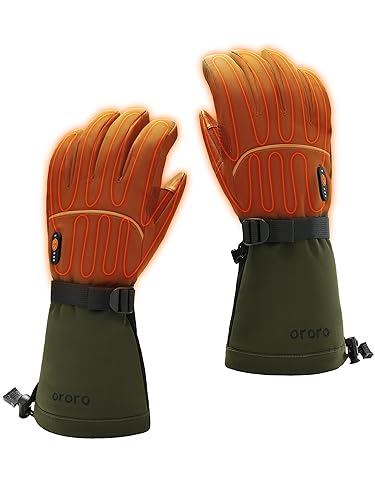
ORORO All-Around Heated Gloves
The sensible default. Heat reaches the fingertips rather than stopping at the knuckles, the runtime claims are close enough to reality to plan around, and the warranty gets honored when something fails. Which it eventually will, on any brand.
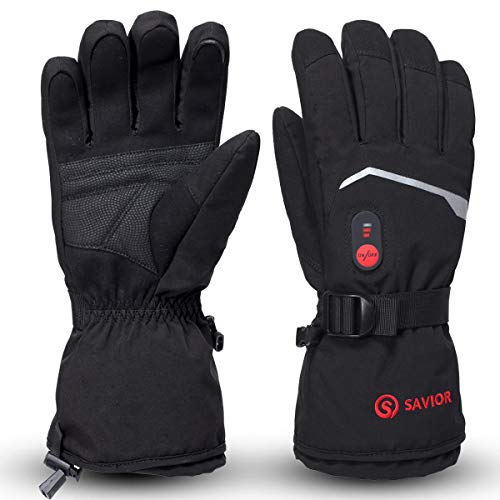
Savior Heat Heated Gloves
The warmest gloves here and among the warmest at any price, with elements wrapping the whole hand and a low setting you can leave running. Independent testers named them the best budget heated glove. Two things hold the score down, and you should know both before buying.

Gerbing Vanguard 12V
Wire these to the bike and nothing running on wrist batteries competes at speed. Constant power means the heat never fades, and unlike the everyday brands these are riding gloves first: hard knuckle armor, real leather, genuinely waterproof.
How they compare
| Model | Power | Reported runtime, low | Weatherproof | Best for |
|---|---|---|---|---|
| ORORO All-Around | 7.4V battery | Around 8 hrs | Water resistant | Everyday |
| Savior Heat | 7.4V battery | 4 to 5 hrs | Water resistant | Circulation, budget |
| Gerbing Vanguard | 12V wired | Unlimited | Waterproof | Motorcycling |
Runtime figures are what owners and independent testers report, not manufacturer claims. Cold weather reduces battery performance in every case, so treat all battery figures as a ceiling rather than a promise.
Four questions that decide it
Are you moving, or standing still?
This is the question that matters most and the one people skip. Wind at speed strips heat faster than any battery element replaces it, which is why a glove that is excellent on a dog walk can be useless on a motorcycle. If you ride, look at wired gloves first and treat everything else as a compromise.
How long do you need the heat to last?
Battery gloves give you four to eight hours on the lowest setting and roughly a third of that on high. If your day is longer than that, either plan to manage the settings or accept that you will finish cold. Capacity in milliamp-hours predicts this better than voltage does, which our guide to 7.4V against 12V explains in full. How many seasons the pack itself lasts is a separate question, covered in our guide to heated glove battery life.
Is the cold the problem, or is your circulation?
If your fingers go white and numb in a supermarket chiller, you need steady low heat for hours rather than a burst of high heat for forty minutes, and you need elements that wrap the whole hand rather than sitting across the knuckles. That points at Savior Heat, and it also means fit matters more than usual: a tight glove restricts the circulation you are trying to help.
Do you already own gloves you like?
Then heated liners may be the better buy, worn inside the shell you already trust. The catch is room: liners only work if your existing gloves have space to spare, and riding gloves usually do not. Our gloves versus liners guide has a thirty second test that settles it, and our liners guide covers which ones to buy.
The specs that actually matter
Worth checking
- Element coverage: fingertips, or just the back of the hand?
- Capacity in mAh, which predicts runtime
- Whether replacement batteries are still sold
- Warranty length on elements specifically
- Whether a charger is included, which is no longer a given
Safe to ignore
- Headline runtime figures, which assume a warm room
- Voltage on its own, without capacity beside it
- Wattage quoted without context
- Peak temperature claims, which nobody runs continuously
- “12V compatible” on a glove shipping 7.4V packs
Size up, and buy where returns are free
Sizing is the single most common complaint across every brand in this category, and it costs people money twice: once on the exchange, and once when they give up and keep a pair that does not fit.
There is also a reason to err large that has nothing to do with comfort. A snug heated glove compresses your hand and restricts blood flow, and restricted blood flow is what makes hands cold in the first place. You can end up colder in a tight heated glove than in a loose unheated one. If you are between sizes, go up.
Practical advice: order from a retailer with free returns even if it costs a few dollars more than the cheapest listing. Across the brands we have looked at, the odds of needing an exchange are high enough that the return policy is worth more than the discount.
Common questions
What is the best heated glove overall?
For most people, the ORORO All-Around. The heat reaches the fingertips, the runtime claims are broadly honest, and the warranty gets honored. If you ride a motorcycle the answer changes to wired Gerbing, and if warmth per dollar is the priority it changes to Savior Heat.
How long do heated gloves last on a charge?
Four to eight hours on the lowest setting, one to four on the highest, depending on battery capacity. Cold weather reduces all of it. Manufacturer figures assume the lowest setting at room temperature, so halve the headline number if you plan to run them warm outdoors.
Are expensive heated gloves worth it?
It depends what you are buying. Paying more for a wired system on a motorcycle buys you something real: unlimited heat and proper armor. Paying more for a battery glove often buys brand rather than performance, and Gerbing’s own battery range is the clearest example of that.
Can heated gloves help with Raynaud’s?
They can, but the specification matters. You want elements covering the whole hand rather than the knuckles, a low setting that runs for hours rather than a hot setting that runs out, and a loose fit. A tight glove restricts the circulation you are trying to help. Our guide to heated gloves for Raynaud’s covers it properly.
Do heated gloves work for motorcycling?
Battery gloves keep your hands warm on a short commute. At highway speed and in real cold, wind removes heat faster than a wrist battery can replace it, and wired gloves are a different experience. Note also that everyday heated gloves carry no abrasion protection, so they are not a substitute for riding gloves.
How many gloves have you covered?
Five reviewed individually and in depth so far, plus separate guides for skiing, liners, motorcycling and Raynaud’s. Only three appear as picks on this page, because we would rather recommend a short list we can defend than pad it out. More will be added as we work through the field.
Which one should you buy?
Buy the ORORO All-Around unless you have a reason not to. It does the job for the widest range of people, and when something goes wrong the company answers.
Buy Savior Heat if warmth per dollar is the priority or if your hands are cold because of circulation rather than weather, and buy them somewhere with an easy returns process.
Buy wired Gerbing if you ride through winter and will accept being tethered to the bike. Nothing on batteries competes at speed.
And whichever you choose, order a size up. A tight heated glove restricts the circulation you are paying to improve.