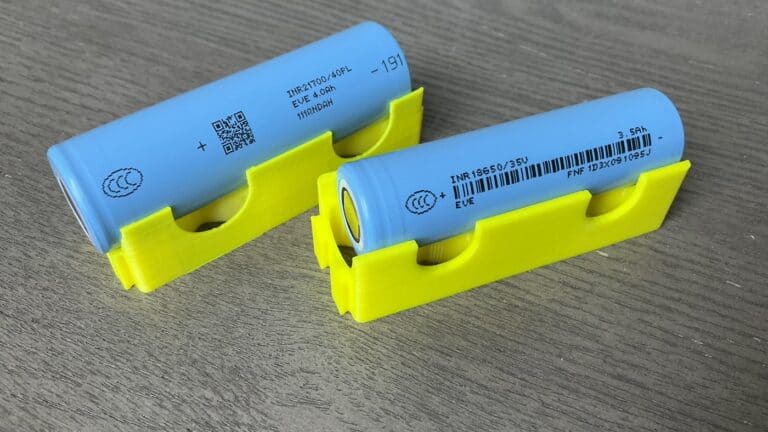
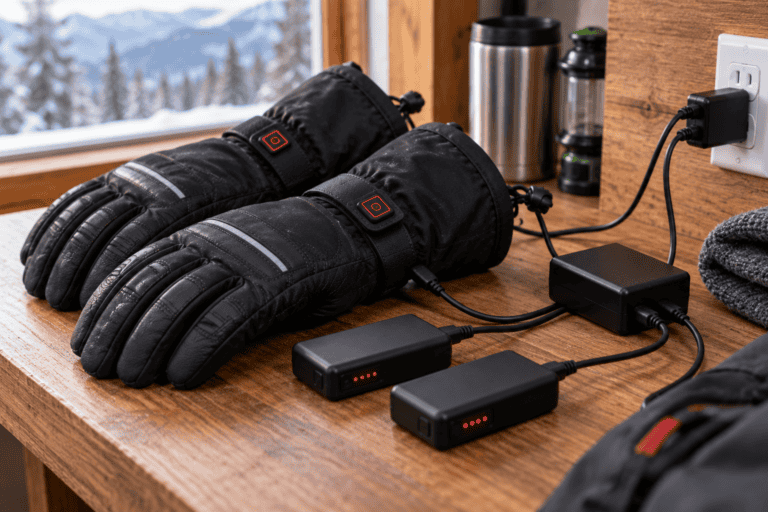
The Right Pack Is the One Your Garment Maker Sells
There is no universal battery for heated clothing. Two things decide whether a pack will work at all: the voltage and power the garment expects, and the plug and controls it uses. A third, how much energy the pack holds, affects how long it lasts. Among our picks, voltage alone runs from 3.7V for Fieldsheer socks to 12V for Milwaukee's M12 tool batteries, so a pack that fits one garment can be wrong for the next.
Our stance is simple. If your vest, jacket, socks or gloves came with a proprietary pack, buy another from the same maker. A rechargeable battery pack for a heated vest from another brand may cost less, but ORORO says damage from other brands' batteries is not covered by its warranty, and it tells owners to use only the original ORORO battery for safety reasons.
The exception is a garment whose maker approves USB power banks. There, the maker tells you what output it needs, and a power bank that meets that figure is an intended power source.
For ORORO vests and jackets, our top pick is the ORORO PD 5K. Gerbing's 7V 3400mAh pack is the matching choice for Gerbing 7V gear, Volt's VB5TEN covers Volt's 5V line, and the Anker 313 suits USB-powered vests from makers that specify a 5V supply.
The Best Batteries for Heated Clothing
Every pick below is either a maker's own pack or, in one case, a USB power bank for garments built to run on one. Each pick fits only the garments named in its card. Scores are our editorial judgment from published specs, how clearly the maker states what the pack fits, and the warranty and support terms.
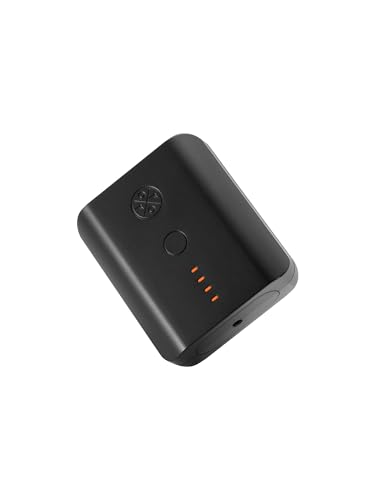
ORORO PD 5K Rechargeable Battery (USB-C, 24W Power Delivery)
This is the pack to buy for an ORORO vest or jacket. ORORO says it works with all its heated vests, jackets and pants, excluding accessories, and rates it at 5075mAh with a DC port for the garment and a USB-C port that can also charge a phone.
ORORO claims a full recharge in 2 hours from a 20W USB-C charger and up to 10 hours of heat. It is one of the better-documented packs here, with a UL certification claim and a published weight of 6.53 oz. The catch is the charger: it is sold separately.
ORORO also publishes no watt-hour figure and lists the DC output as both 7.4V and 7.3V on the same page. ORORO's store data showed the pack available in November 2026, even though a comparison table on its site marked it sold out, so check availability before you order.
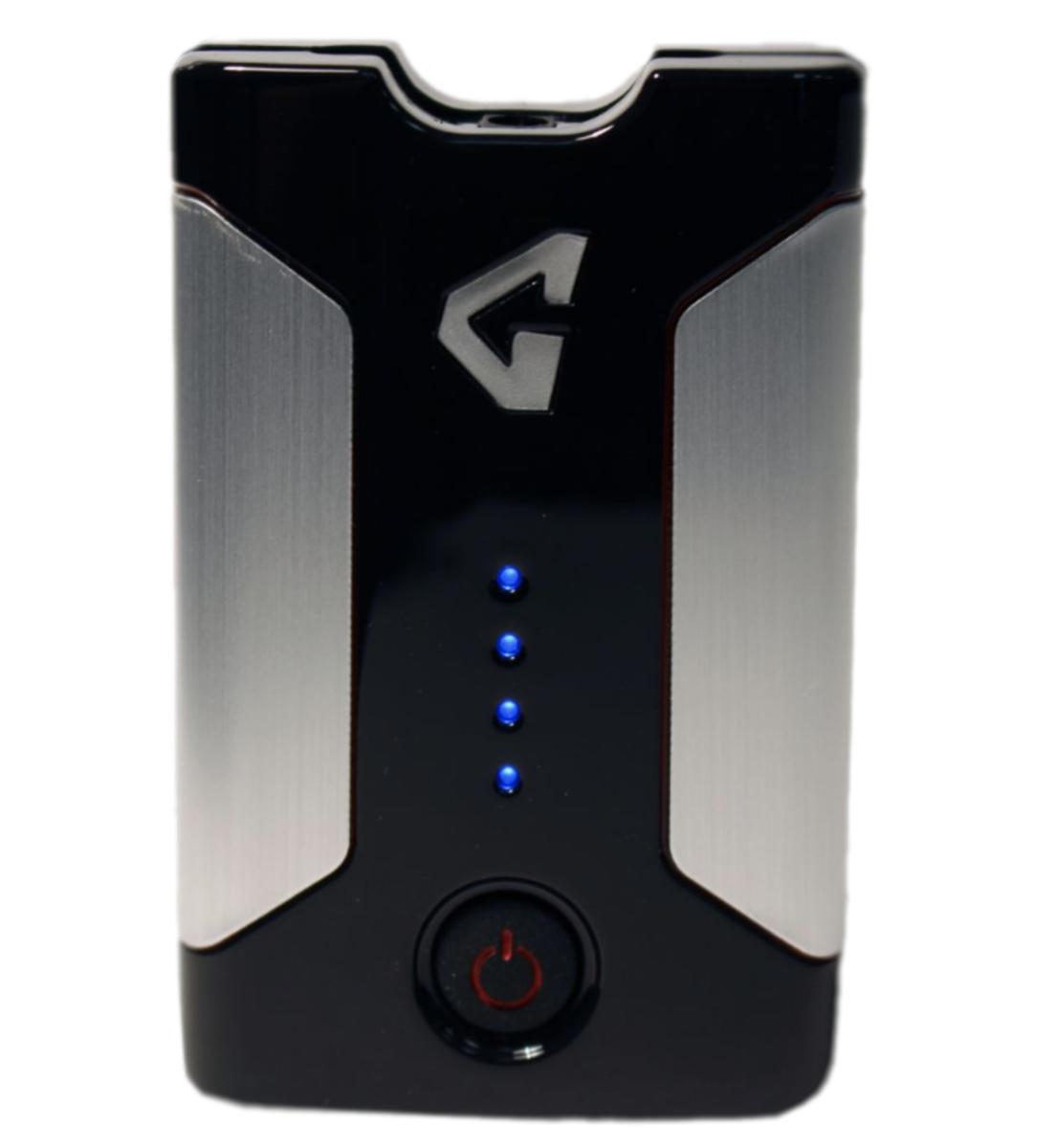
Gerbing 7V 3400mAh Rechargeable Battery
Gerbing lists this pack as compatible with all its 7V vests, jackets, gloves and accessories, and it is the same 25.16 Wh pack the 7V Khione Puffer Vest 2.0 ships with. That makes it a straightforward spare, and it is the only pick here with a watt-hour figure on its product page.
The vest page claims 8 hours at the lowest of four settings and 2 hours at the highest. The catch is the warranty. The product page advertises a lifetime microwire warranty, but Gerbing's warranty page covers batteries and chargers for only 90 days.
Do not confuse this pack with Gerbing's cheaper 3400mAh Battery for Glove and Base Layers: Gerbing says that one runs other 7V items at constant high heat if the garment has no control button.
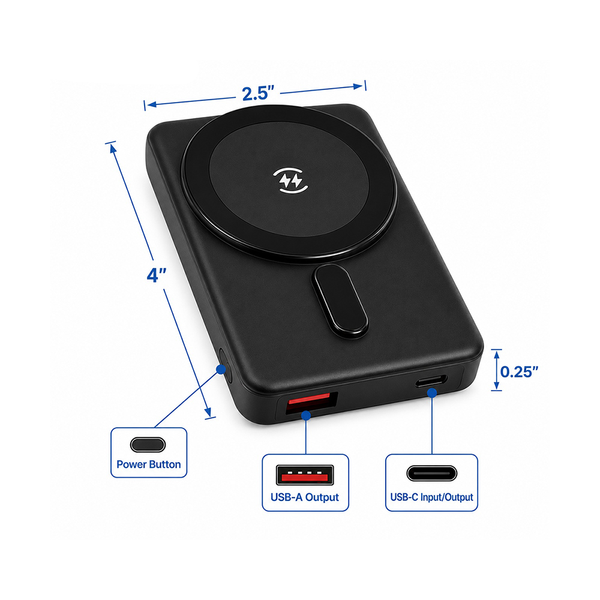
Volt Heated 5V 10000mAh USB Rechargeable Battery
Model VB5TEN is the pack Volt ships with 5V garments such as the Empire half-zip vest, and Volt says it fits all its 5V heated products except Gen V slippers. It has dual USB 5V 2.1A outputs that can also power a phone.
Volt claims up to 10 to 11 hours on low and 5 or more hours on high from the Empire vest on this battery. The catch is the paperwork. Volt publishes no watt-hour rating or warranty term on the page, and its store data showed only 7 in inventory in November 2026.
At 10,000mAh it is also a large pack to carry for a light vest: Volt's smaller VB550 is rated 5000mAh and fits the same 5V gear, except those slippers, if weight matters more than hours.
Milwaukee M12 REDLITHIUM 3.0 Compact Battery Pack
Milwaukee says its M12 heated jackets and vests work with all M12 batteries, so this is the rare case where one pack crosses from clothing to tools. Milwaukee claims the CP3.0 performs below 0°F and carries a two-year limited warranty, the longest published here.
The M12 Heated AXIS Vest is claimed at 8 hours on low and 2 on high, and the TOUGHSHELL jacket at 12 hours on low, though neither page ties those figures to a specific pack. See our Milwaukee M12 heated gear review for the line.
That review is not scored, so this pick carries no score either. The catch is that this only helps M12 garments, and Milwaukee's heated gloves use a separate 7.4V pack instead. Retailers list it at about 0.4 lb, close to the ORORO PD 5K.

Anker 313 Power Bank (PowerCore 10K)
This pick is only for a garment whose maker says to use a USB power bank. The Dr. Prepare Unisex Heated Vest is an example: it lists a 5V input, ships without a pack and asks for a portable battery with 2A or 2.4A USB output.
Anker's support page rates the 313 at 5V 2.4A, which meets that figure, and Dr. Prepare's own runtime test used a 10,000mAh bank, the same capacity as the Anker. The catch is that it does nothing for a proprietary vest or jacket, and its store page lists USB-C output at 15W max, while Anker's support page lists USB-A output.
Go by Anker's manual, which rates it at 37 Wh and 5V 2.4A output and says the USB-C port is for input only, so your garment needs a USB-A cable. At 7.5 oz it is heavier than the ORORO PD 5K.
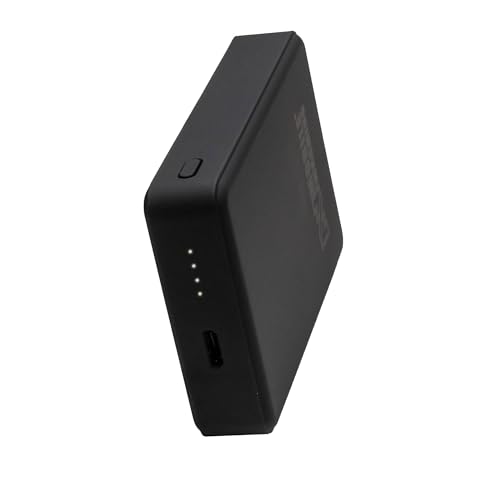
3.7V Powersheer Micro Sock Batteries 3600mAh and Cable 2 Pack
Socks show why voltage matters most: this pair runs at 3.7V per battery, half the figure ORORO lists for its own sock battery. Fieldsheer sells this 2 pack for its Pro Merino and Pro Compression heated socks, with a split USB-C charging cable and a one-year warranty.
The catch is how narrow that fit is. Fieldsheer names only those two sock lines, and it publishes no runtime on this page, saying output and runtime depend on the sock and the setting. The page also mentions 7.4V batteries in one line, which conflicts with its 3.7V spec, so read the label on your old pack before ordering.
How the Packs Compare
Read this table as a list of six different systems, not six options for one garment. Only the row matching your garment applies. The watt-hours column is the fair way to compare stored energy.
| Pack | Fits | Voltage | Capacity | Watt-hours | Maker or retailer price |
|---|---|---|---|---|---|
| ORORO PD 5K | ORORO vests, jackets, pants | 7.4V | 5075mAh | About 37.6 (estimate) | $79.99 |
| Gerbing 7V 3400mAh | Gerbing 7V vests, jackets, gloves, accessories | 7V | 3400mAh | 25.16 (published) | $49.99 |
| Volt VB5TEN | Volt 5V gear except Gen V slippers | 5V | 10,000mAh | Not published | $39.95 |
| Milwaukee M12 CP3.0 | M12 jackets and vests, M12 tools | 12V | 3000mAh | About 36 (estimate) | $80.30 |
| Anker 313 | Garments specified for 5V USB power | 5V | 10,000mAh | 37 (Anker manual) | $25.99 |
| Fieldsheer 3.7V Micro 2 Pack | Fieldsheer Pro Merino and Pro Compression socks | 3.7V | 3600mAh each | About 13.3 each (estimate) | $79.99 for two |
Specs and prices come from each maker's product and support pages, checked November 2026. The Milwaukee voltage and price come from Steiner Electric, because Milwaukee's page lists neither. Estimates are volts multiplied by amp-hours, the FAA's formula. Prices change, so check the current figure.
Voltage, Connector, mAh and Watt-Hours Explained
Two packs can look alike and share a plug while being wrong for each other. These are the four things to understand before buying any battery for heated clothing.
Voltage Sets the Heat
Voltage is what the heating element is built to receive, and it has to match. As we explain in our 7.4V vs 12V guide, an element fed a higher voltage than it is rated for will likely burn out, and the warranty typically will not cover it. The labels can also blur.
Gerbing calls its line 7V, yet its 2200mAh kit lists 7.4V batteries. Gerbing's 25.16 Wh rating for its 3400mAh pack also works out to 7.4V, not 7V, by our arithmetic. Volt uses 7V, 8V and 3V packs in different product lines. Treat the number on your original pack as the requirement, and do not assume another brand's 7V pack is the same thing.
The Connector Is Not a Standard
ORORO, Gerbing and Fieldsheer list no plug specification on these pack pages, and our battery replacement guide found that plugs that look identical may be wired differently. A plug that fits proves nothing about compatibility. USB-C needs the same care, because the port's job differs from pack to pack. On ORORO packs, the DC port feeds the garment and the USB ports serve your phone and charging. Fieldsheer lists USB-C as the charging connection on its sock batteries.
A USB-C port on a garment does not mean 5V either. Venustas runs its M37 and W38 USB-C vests on a 9V heating system. It says a certified USB-C power bank with at least 5V/2A output can work, but standard banks cannot respond to the vest's signals, so you have to switch the bank on by hand. Venustas still recommends its own batteries.
mAh Only Compares Packs of the Same Voltage
A milliamp-hour rating is capacity at a given voltage, so it cannot compare a 5V pack with a 7.4V pack. ORORO shows the trap on its own page: the PD 5K is rated 5075mAh, but its table lists 10,150mAh of cell capacity for the same pack.
Dr. Prepare's 10,000mAh power bank has a rated capacity of 37 Wh, about the same energy as the 5075mAh ORORO. So a 10,000mAh label on a USB bank does not mean twice the heat of a 5,000mAh label on a 7.4V pack.
Watt-Hours Are the Fair Comparison
Watt-hours measure stored energy, and the FAA's formula is simple: divide mAh by 1,000, then multiply by volts. The 5075mAh ORORO at 7.4V works out to about 37.6 Wh, and the M12 CP3.0 at 12V and 3Ah to about 36 Wh. Anker's manual rates its 10,000mAh bank at 37 Wh, which matches Dr. Prepare's published number.
Volt publishes no figure for its 10,000mAh VB5TEN. If that rating is at the usual 3.7V cell voltage, it would hold about 37 Wh. That is an estimate. Watt-hours will not tell you hours of heat, because element draw is rarely published. Our guide to heated glove runtime claims covers why we halve quoted figures as a working rule.
What the FAA Allows on a Plane
The FAA's PackSafe rules treat a spare pack the same as a power bank: it must travel in your carry-on, not in checked bags. Lithium-ion batteries are limited to 100 Wh each. With airline approval you may also carry up to two larger spares of 101 to 160 Wh, and anything over 160 Wh is prohibited.
Terminals must be protected from short circuit with tape, a case or a pouch. If your carry-on is gate-checked, spares must come out and stay with you. Every pack in this guide falls under 100 Wh on the published ratings and our estimates. The FAA's chart does not name heated clothing.
Its closest battery-powered entry, for heat-producing devices such as diving lamps and soldering equipment, says a device with the battery completely removed is not restricted as a hazardous material, so we suggest removing the pack from the garment. A removed battery then follows the spare rules. Airlines may set stricter limits, so check with yours before you fly.
Practical advice: Before you order anything, read the label on the pack you already own. Copy down the voltage, the mAh and the model number, then match all three on the maker's site.
How to Pick the Right Pack for Your Garment
Start with what you own, not with the biggest number on a listing. These questions run in the order that matters.
Does Your Garment Have a Proprietary Pack or a USB Input?
Check the manual or the maker's page. If it names its own battery, buy that one. ORORO says plainly that you should only use the original ORORO battery, and Gerbing says its products are designed to be powered and controlled using only Gerbing accessories and controllers.
If the maker instead states a USB requirement, such as Dr. Prepare's 5V/2A, a power bank that meets it is the design intent. Volt's pages do not say whether other banks work with its 5V gear, so stay with VB5TEN or VB550 there.
How Much Capacity Do You Need?
Match the pack to the length of your day, then decide what you will carry. ORORO's line shows the trade-off: it claims up to 10 hours from the PD 5K at 6.53 oz, up to 13.5 hours from the PD 7K at 10.19 oz, and up to 17 hours from the PD 10K at 14.6 oz.
Those are best-case figures, so plan on less. The bigger packs also fit fewer garments. ORORO describes the PD 7K as compatible with most of its apparel, and says the PD 10K does not fit some styles, including its Classic Heated Collection. A vest pocket also has to hold the pack, and the PD 7K measures 4.1 x 3.5 x 1.0 in.
Is a Second Pack Better than a Bigger One?
For most owners, yes. Two PD 5K packs weigh about 13 oz in total by our arithmetic, less than one PD 10K, and you can keep the spare warm until it is needed. A single larger pack suits people who want no mid-day swap and whose style is confirmed compatible. Our best heated vests and best heated jackets guides cover the garments these packs go with.
What about Socks and Gloves?
Plan on buying two batteries, one per foot or hand, and do not expect them to share with your jacket. ORORO separates its B22A and B25A accessory packs from its apparel packs. The B22A is a 7.4V 2000mAh pack and ORORO advises buying two for gloves, at $29.99 each.
Gerbing's 7V 2200mAh Battery Kit includes two batteries and a charger for its glove liners and socks at $59.99, and its page lists 15 Wh without saying whether that is per battery or per set.
Volt's sock batteries are 3V or 8V packs depending on the line, Fieldsheer's are 3.7V, and Gerbing and ORORO run theirs at 7V to 7.4V. The heated sock picks in our best heated socks guide show the same spread.
Packs We Did Not Pick
We left out every generic pack sold as a universal fit for proprietary garments. Listings like these often claim to fit many brands, but you cannot reliably confirm compatibility from the listing, and a small saving can cost you the warranty on a garment worth far more than the pack.
A few maker packs missed out for other reasons. The ORORO Mini 5K is cheaper at $59.99 and weighs the same as the PD 5K, but it holds less at 4800mAh and takes 4 hours to recharge against 2. It is a fair budget spare for ORORO owners, but its stock signals conflict too: ORORO's store data showed it available in November 2026, even though its product page read sold out.
Savior Heat's 7.4V/5V 5200mAh spare is marked sold out and pre-order. Fieldsheer's 7.4V 2200mAh Premium battery is out of stock, though Fieldsheer's 4000mAh Powersheer XL Plus at $54.99 is in stock and fits all its 7.4V jackets, vests and base layers. Volt's VB750RC 5000mAh pack is sold out.
Dr. Prepare's own 10,000mAh bank, at 5V/3A max, is a sensible match for its vests, but Renogy's page listed it as backordered, so the Anker takes the USB slot.
What to Check before You Buy
Capacity is the number listings lead with, and it is the least useful on its own. Run through this list against the label on your existing pack and the maker's product page.
Worth checking
- The voltage on your original pack, not the brand's general line name
- That the maker names your garment or product line as compatible
- Whether the pack ships with a charger, since ORORO's does not
- The battery warranty separately from the garment warranty
- Watt-hours for flying, printed on the pack or worked out from volts and amp-hours
- The size of the pack against your garment's battery pocket
- For USB garments, the voltage and amps the maker asks for
Battery Questions Owners Ask
Short answers on choosing and using a battery for heated clothing.
What is the best rechargeable battery pack for a heated vest?
The one your vest's maker sells for it. For ORORO vests that is the PD 5K, for Gerbing 7V vests the 7V 3400mAh pack, for Volt 5V vests the VB5TEN, and for Milwaukee M12 vests any M12 battery, such as the CP3.0.
Can I run a heated vest from a normal phone power bank?
Only if the vest's maker says so. A 5V USB vest such as the Dr. Prepare Unisex is built for it. ORORO answers "Nope" to using other batteries with its apparel.
Can I use an ORORO battery in a Gerbing vest, or the reverse?
No. Neither maker approves it. ORORO says apparel defects caused by other brands' batteries are not covered by warranty, and Gerbing says using another manufacturer's accessories or controllers voids its warranty.
Is a 10,000mAh power bank twice as strong as a 5,000mAh heated jacket battery?
Not necessarily. Compare watt-hours instead. Dr. Prepare rates its 10,000mAh bank at 37 Wh, and the 5075mAh, 7.4V ORORO PD 5K works out to about 37.6 Wh.
Can I take a heated clothing battery on a plane?
Under FAA rules, spare lithium-ion batteries and power banks go in your carry-on, up to 100 Wh each, with terminals protected. Packs of 101 to 160 Wh need airline approval and are limited to two spares. Airlines may be stricter.
How should I store a pack over the summer?
Follow your maker's guidance. ORORO says to store its batteries at about two indicator lights and charge them every 6 months. Gerbing advises keeping its batteries at least 25% charged when idle.
Which One Should You Buy?
Buy the pack that matches your garment's maker, voltage and plug, and ignore anything labeled universal. For an ORORO vest or jacket, get the ORORO PD 5K, plus a USB-C charger if you lack one. For Gerbing 7V gear, get the Gerbing 7V 3400mAh, and expect a short 90-day battery warranty. For Volt 5V clothing, stay with the Volt VB5TEN.
If you already own M12 tools, the Milwaukee CP3.0 doubles as a spare for M12 jackets and vests. Fieldsheer sock owners should take the matching 3.7V pair. Use the Anker 313 only when your garment's maker approves a USB supply that its 5V 2.4A USB-A output meets, because that is when a power bank is the right rechargeable battery pack for a heated vest.